
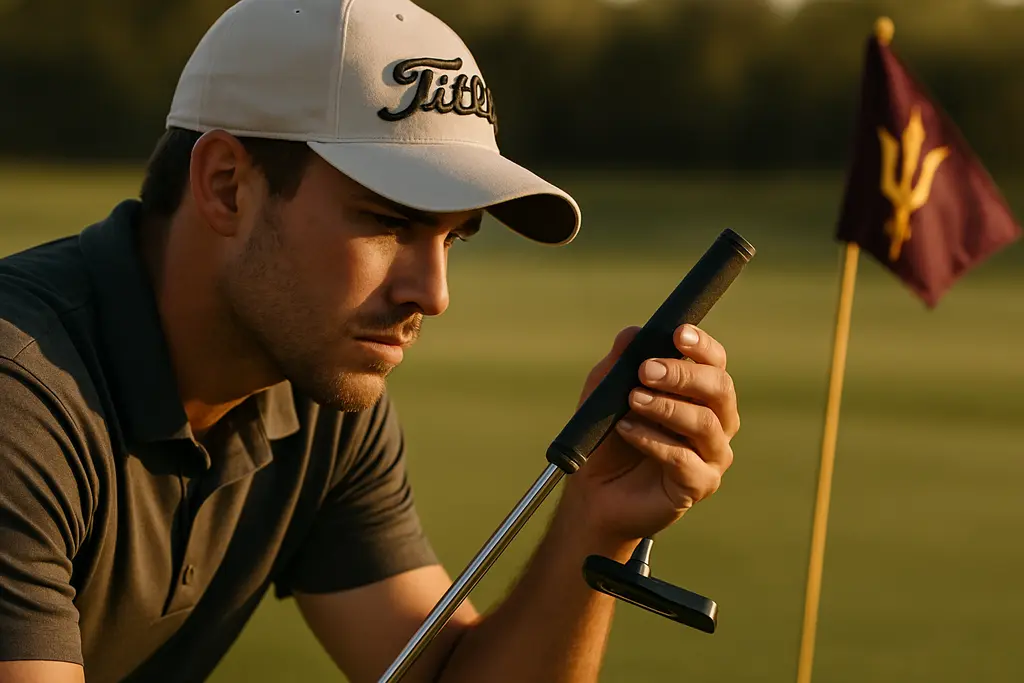
For golfers getting started, customized fittings can sound like something reserved for elite players, tour vans, or college programs with big support staffs. True Spec Golf’s new partnership with Arizona State men’s golf gives regular golfers a more practical way to look at it: fitting is not just one appointment before a club purchase. It can be a season-long process of checking lofts, lies, grips, and distance gaps so the set still matches the player.
True Spec announced the ASU partnership on September 1, 2026, and the deal covers the Sun Devil men’s golf team for the 2026-27 season. The college angle is notable, but the useful lesson for amateurs is simpler: better buying starts with better information, and good fit work does not stop once the clubs leave the shop.
What Customized Fittings Mean In The ASU Deal
Customized Fittings For Regular Tune-Ups
The ASU agreement was not described as a one-time demo day. True Spec said it would provide full custom club-fitting services for the Sun Devil men’s golf team, along with regular loft and lie tune-ups, gap analyses, and regripping for every roster member during the 2026-27 season. The company also said it made a “substantial” NIL contribution to the players, although the public announcement did not provide a dollar figure True Spec announcement.
That service mix matters. Loft and lie checks help confirm whether irons still sit and point the way they were fit. Gap analysis looks at whether the distance spacing between clubs makes sense. Regripping keeps the connection point from becoming the forgotten variable. None of those items promise a lower score, but they do reduce guesswork about whether the equipment is still doing what the golfer expects.
Why The College Setting Matters
Loop Golf described the partnership as a first-of-its-kind multi-year deal combining free custom fitting for a college team with direct NIL compensation to student-athletes. It also reported that ASU entered the 2026-27 men’s golf season ranked No. 2 in Golfweek’s preseason ranking, with nine players on the roster and five ranked among the top 60 in the World Amateur Golf Ranking as of late August 2026 Loop Golf report.
Those details explain why the deal drew attention. ASU is a high-profile college golf program, and the roster has players whose club needs can change as swings, speed, practice volume, and competitive schedules shift. For a developing player, the set that looked right at the start of a season may need checks later. That is the part recreational golfers can apply, even without a college-team support package.
What Amateurs Should Copy From ASU
Start With Gapping Before Buying More
For everyday golfers, customized fittings should begin with a basic question: where are the gaps? Many players shop because one club feels weak, but the real issue may sit between clubs. A gap analysis can show whether two clubs fly too close together, whether a wedge setup leaves a scoring-yardage hole, or whether the top end of the bag has too much overlap.
This is where a fitting-first mindset can save money. Before replacing a full iron set or adding another fairway wood, a golfer can ask a fitter to map the current set. If the data shows a true need, the buying decision has a better starting point. If the data shows a loft adjustment, lie adjustment, or grip issue, the spend may look very different. For a broader first-step view, our custom fitting basics article covers how golfers can prepare before paying for a full-bag session.
Treat Loft, Lie, And Grips As Maintenance
Golfers often treat equipment as either new or old. The ASU deal points to a third category: maintained. Loft and lie tune-ups are not glamorous, but they can confirm whether the set still matches the intended build. Regripping is similar. A club can be well fit on paper and still feel wrong if the grip condition, size, or texture no longer suits the player.
The smart amateur version is simple. Keep a record of your club specs after a fitting. Ask when the shop recommends checking loft and lie again based on how often you play and practice. Ask what grip model and size were installed. If a club starts behaving differently, you have a reference point instead of a memory.
Pricing Transparency And NIL Lessons
Ask What Is Included
The price conversation around customized fittings should be direct. The ASU arrangement included services and NIL compensation, but no public source has disclosed the dollar value of the True Spec-ASU NIL deal. That is a useful reminder for consumers: a headline partnership and a retail fitting invoice are not the same thing.
Before booking, golfers should ask what the quoted fitting cost covers and what sits outside it. A clear shop conversation should separate the fitting session, any build labor, club heads, shafts, grips, loft and lie work, regripping, and future checks. If a fitter recommends a premium shaft or a grip change, the golfer should know whether that is included in the estimate or added later.
- Ask whether the fitting fee is credited toward a purchase or kept separate.
- Ask whether the build is completed in-house or ordered through a manufacturer.
- Ask whether future loft, lie, or gapping checks are included.
- Ask for the final specs in writing before approving the order.
Separate Fitting Value From Endorsement Value
NIL makes the ASU story bigger, but it should not blur the equipment lesson. The fitting value sits in the service: evaluating the set, checking gaps, matching components, building to the agreed specs, and keeping the clubs current. The endorsement value sits somewhere else, and in this case the public record does not state the amount.
That distinction helps golfers read any premium fitting offer with a cooler head. A famous team, player, or brand relationship can be interesting, but the buyer still needs clear pricing, clear specs, and clear service terms. If you track golf business stories across more than one site, a useful site in the same network is efficientdirectory.com, but the purchase decision should still come back to the fit sheet and the final quote.
How To Prepare For A First Fitting
Bring Current Clubs And A Real Problem List
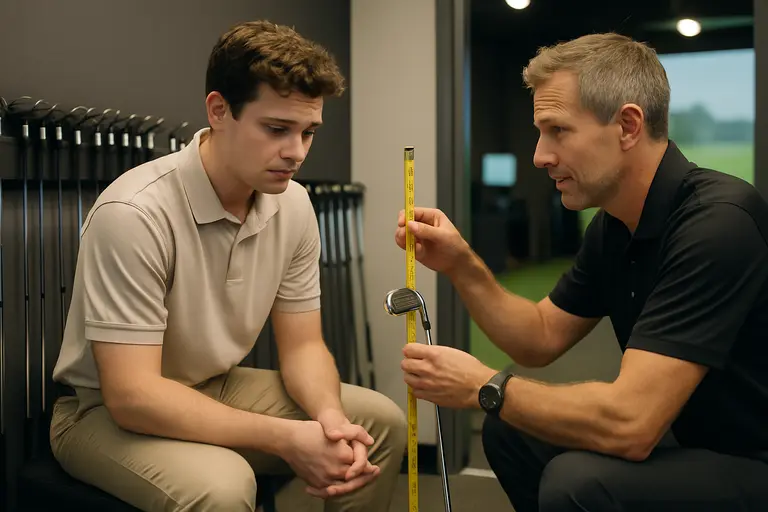
A first fitting goes better when the golfer brings the current set and a short list of problems. “My 6-iron and 7-iron fly the same distance” is more useful than “I need new irons.” “My wedges leave a big yardage hole” gives the fitter a target. “My grips feel too small late in the round” points to the connection between hands and club.
Bring the clubs you actually use, not the clubs you wish you used. If a hybrid never leaves the garage, say so. If a wedge is used for most short-game shots, that matters. A fitter can only make practical recommendations when the bag, player, and budget are all part of the same conversation.
Keep Brand Choice Open
True Spec’s model is described as brand-agnostic, with a fitting matrix of more than 70,000 combinations of club heads and shafts from major equipment manufacturers. Its clubs are custom-built at the company’s Scottsdale, Arizona headquarters, according to the announcement. The amateur takeaway is not that every golfer needs access to that many combinations. It is that brand choice should follow fit evidence, not the other way around.
If you already prefer a brand, say so. A good fitting can respect that preference while still testing whether another head, shaft, grip, or loft setup performs more consistently for your swing. If your budget limits the options, say that early as well. The right process should help narrow choices, not pressure you into parts you did not plan to buy.
Customized Fittings From The ASU Example
The ASU deal makes customized fittings easier to understand because it shows fitting as a support system, not a single transaction. The program received club-fitting services, tune-ups, gap checks, regripping, and an NIL component. Recreational golfers will not copy that structure exactly, and they do not need to.
The practical version is to start with your current bag, identify the weakest spacing or fit issue, ask for transparent pricing, and keep a written record of the final specs. If you buy, buy from a clearer position. If you do not buy, you should still leave knowing more about your set than when you walked in.
That is the real getting-started lesson. A fitting is not magic, and it should not be sold as a guaranteed score fix. It is a structured way to match clubs, maintenance, and budget to the golfer standing in the bay. True Spec’s ASU partnership put that idea on a college golf stage, but the same thinking can help any player make a smarter first fitting appointment.