
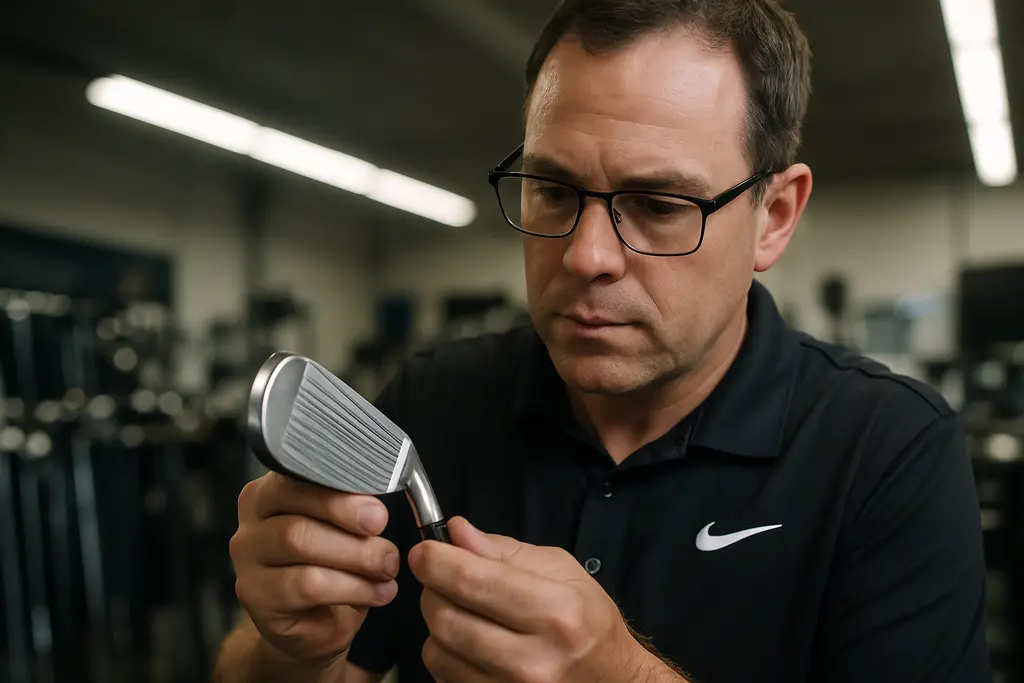
The cleanest way to judge fitting pricing is to ask what the session covers before anyone starts changing shafts, heads, grips, or lie angles. A fair fee is not just a charge for hitting balls indoors. It should reflect fitter time, launch-monitor work, the available test matrix, the written specifications you receive, and whether any part of the fee is credited toward a club order.
As of October 2, 2026, golfers can expect a wide spread in U.S. fitting fees. A short driver or iron session at a basic retail setting may cost very little, while a brand-agnostic full-bag session at a national specialist can cost several hundred dollars. That range is not automatically good or bad. The value depends on how clearly the shop explains the fee, what gear is available to test, and whether the final build quote is separated from the fitting charge.
What Fitting Pricing Includes
A proper fee should buy structure. The fitter should ask about your current clubs, ball flight, misses, physical comfort, set makeup, and scoring goals. Then the session should move from static information, such as height and wrist-to-floor tendencies, into dynamic testing with real swings. Good fitters are not simply chasing the longest single shot. They are watching strike pattern, launch, spin, carry, descent, face control, dispersion, and whether the club is playable for the golfer in front of them.
Fitting Pricing Starts With Scope
Before you compare fitting pricing, separate single-club work from full-bag work. A driver fitting is not the same appointment as irons, wedges, and putter. The research range is broad: retail chains such as Golf Galaxy and PGA TOUR Superstore are typically cited around $150 to $300 for a full-bag fitting, while single-club fittings at independents often run $75 to $200. National specialist brands such as True Spec and Club Champion are cited closer to $175 for a single club, and premium full-bag sessions are commonly listed around $375 to $475, according to StickPicker’s 2026 club fitting cost guide.
The practical lesson is simple: compare like with like. If one shop is quoting a driver-only session and another is quoting driver, fairway woods, hybrids, irons, wedges, and putter, the lower number may not be the better buy. The same applies to build depth. A limited head-and-shaft cart can still help some golfers, but it is not the same product as a full premium matrix with multiple heads, stock shafts, aftermarket shafts, and build checks.
Why Free Still Needs Scrutiny
Basic fittings at big-box stores or brand demo days may be free or priced under $50 when the session is limited to one or two clubs or a narrower set of head and shaft options. That can be useful for a newer golfer or someone replacing one club, but free does not always mean neutral. The trade-off is usually selection, time, or purchase pressure.
A no-cost appointment can still produce a good recommendation if the fitter is experienced and the available equipment suits your swing. The risk is that the session becomes a product demonstration rather than a full evaluation. If the fitter only has one brand’s heads, a small shaft selection, or limited time, the recommendation may be honest but still incomplete.
How Fees Are Structured
A clear fitting pricing conversation should cover three numbers: the session fee, the club build estimate, and any credit toward purchase. Many golfers get frustrated because those numbers blur together. A shop may say the fitting is free with purchase, waived on the day of order, or credited only if the clubs are built through that location. Those policies are not wrong, but they should be stated before the appointment starts.
Retail, Independent, And Premium Ranges
Retail chains often sit in the middle of the market because they combine accessible locations with enough equipment for common fitting needs. Independent fitters can vary more. Some charge less for a focused single-club session; others charge more if they offer a deep shaft wall, build services, loft-and-lie work, or a more private appointment format. Premium studios tend to charge at the high end because they carry broader options and may put more emphasis on build quality.
These figures should be treated as planning ranges, not promises. Local markets, fitter experience, indoor bay technology, studio overhead, and brand relationships can all affect the quote. For a related cost-focused read, FS Golf has covered custom fitting pricing lessons that help golfers separate fitting fees from club-order decisions.
Credits, Waivers, And Written Specs
Many shops credit or waive the fitting fee if you buy clubs through them. The key is the condition attached to that credit. Some independent shops are more likely to apply the fee toward a purchase. Some national specialty chains may waive the fee only when the golfer orders the clubs built to the recommended specifications through that shop. Ask whether the credit applies to any purchase, only certain brands, only same-day orders, or only full custom builds.
You should also ask whether you receive a written spec sheet even if you do not buy. The research notes indicate that fitters commonly provide a spec sheet with details such as length, lie, loft, shaft model, flex, weight, and grip size. That document is part of what you paid for. Without it, you leave with memories instead of usable information.
Data, Gear Choice, And Session Value
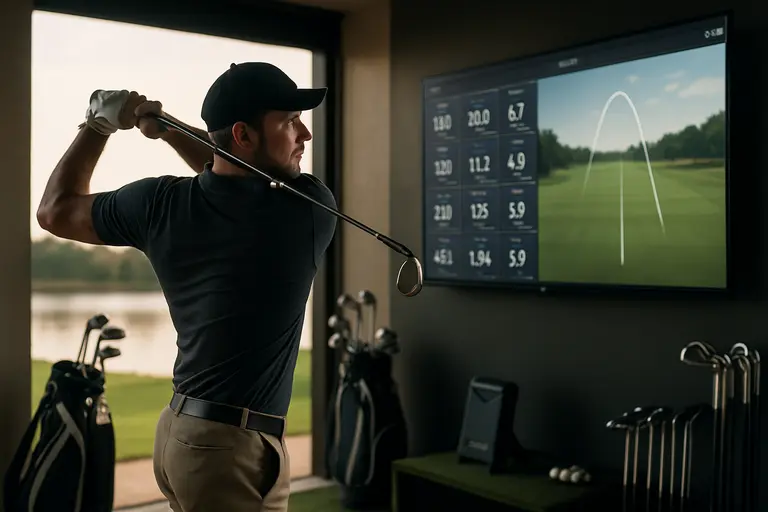
Cost concerns are real. In MyGolfSpy’s survey of fitted and non-fitted golfers, more than 40 percent of golfers who had never been fitted cited cost as the reason; among golfers who had been fitted, 35 percent paid nothing and about 30 percent had the fee folded into the cost of the clubs, according to the 2024 fitting survey. That explains why transparency matters. Golfers are not all paying the same way, even when the appointment sounds similar.
What You Should See In The Bay
A quality session should give you more than one impressive carry number. The fitter should show patterns. Is the new driver launching higher without adding too much spin? Are the irons landing with enough descent to hold greens? Is the shaft weight helping you find the center more often? Are wedges gapped in a way that fits your real scoring shots? The data should support the recommendation, not bury you in numbers.
Launch monitors are valuable, but the fitter’s interpretation is the service. A golfer can hit three different shafts with nearly identical averages and still need one clear recommendation based on consistency, strike, contact location, and start direction. That is where experienced fitting earns its fee.
Where A Broader Matrix Helps
A larger matrix does not guarantee a better result, but it gives the fitter more ways to solve a problem. If you need a lighter shaft, a different bend profile, a flatter lie, a larger grip, or a head with a different launch window, the shop needs something on hand to test. A limited setup may still work for common builds, but golfers with unusual delivery patterns or clear comfort issues may benefit from more options.
Pricing clarity is not only a golf issue. Sports consumers often face service fees, booking charges, and equipment decisions across training and recreation. For instance, this theme is also followed by our partner network at AP Levante. For golf, the best protection is asking direct questions before the appointment and keeping the fitting separate from the buying decision until the data makes sense.
Fitting Pricing Questions Before You Pay
The biggest mistake is treating the posted fee as the full story. A $100 session can be expensive if it produces no written specs and only tests two shafts. A $400 session can be reasonable if it covers the whole bag, shows clear performance patterns, provides build details, and leaves you free to decide later. Neither outcome is automatic.
Fitting Pricing Checklist For Golfers
Before booking, ask the shop to answer these points in plain language. If the answers are vague, keep looking or narrow the appointment to one club category until you trust the process.
- Is the fee credited, waived, or kept separate from a club purchase?
- Does the credit apply only to same-day orders or custom builds through that shop?
- Which brands, heads, and shaft models will be available to test?
- Will I receive a written spec sheet if I do not buy clubs?
- Which launch-monitor data will be reviewed, and how will it affect the recommendation?
- Does the session include only one club type, or the full bag including wedges and putter?
- Will the final quote separate fitting fee, club heads, shafts, grips, build labor, and adjustments?
A fitting should help you make a better equipment decision, not force a rushed purchase. Clear fees, clear data, and clear specs give golfers a fair way to compare shops. That does not promise lower scores or instant distance. It does give you a stronger foundation for deciding whether the recommended clubs are worth the money.