
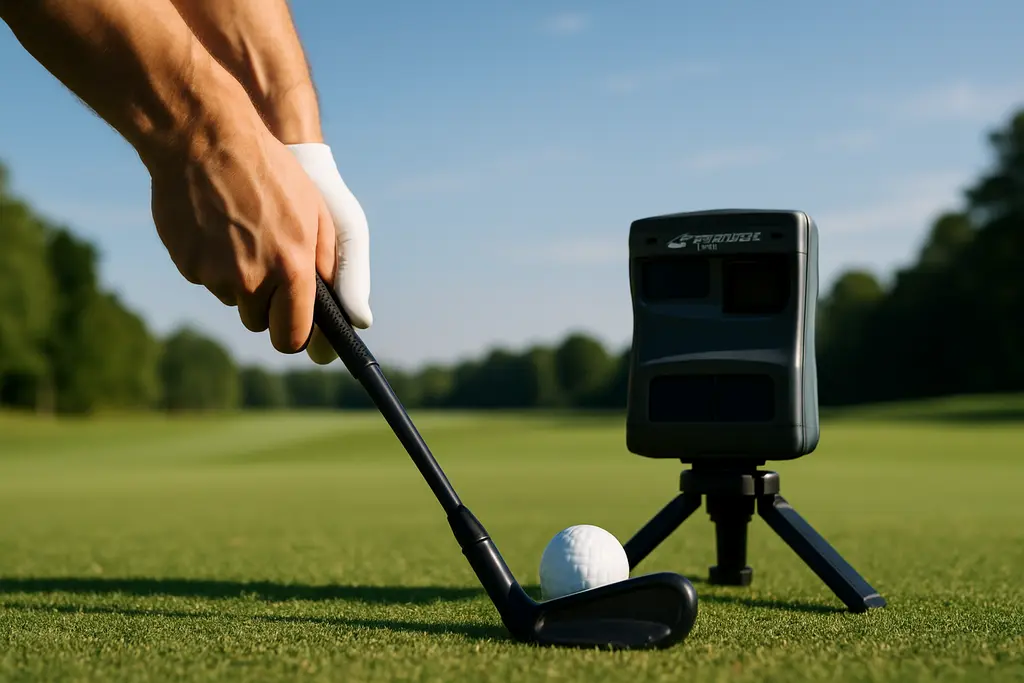
The Foresight GC2 Launch Monitor arrived in a part of the market where many golfers want useful ball data without stepping straight into a tour-level fitting system. Foresight Sports unveiled the new GC2 on October 1, 2026, with pre-orders starting that day and shipping expected between October 9 and October 15, 2026. The company positioned it as a camera-based entry point in its line, below GC3, GCQuad, and QuadMAX.
From a fitting standpoint, the key story is not hype. It is what the unit measures, what it leaves out, and how a newer player should read the numbers. The GC2 is built around ball-launch data. That can be plenty for practice, gapping, indoor simulator sessions, and early equipment comparisons. It is not a full club-delivery system, so golfers should avoid treating it like a complete replacement for a higher-tier fitting bay.
What The Foresight GC2 Launch Monitor Measures
Foresight says the GC2 uses two high-speed cameras in a photometric setup to capture the ball at impact and directly measure launch information rather than relying on radar-based flight tracking. The October 1 announcement also listed the standalone retail price at US $1,699 and described it as Foresight’s most accessible camera-based product, according to the Foresight Sports announcement.
Foresight GC2 Launch Monitor Metrics To Read First
The unit measures 13 ball metrics: carry distance, total distance, ball speed, launch angle, launch direction, backspin, sidespin, total spin, spin axis, offline, peak height, descent angle, and hang time. For a beginner or a player just starting to work with data, that is already a lot. The first pass should not be all 13 numbers at once. I would start with ball speed, launch angle, spin, carry distance, offline, and descent angle. Those six tell a practical story about strike quality, starting window, flight shape, stopping power, and distance control.
The missing piece is club data. The GC2 does not measure club-head information such as face angle or club path. That matters in a lesson or a full fitting because the ball can tell you what happened, but club data helps explain why. A shot that starts right and curves farther right may show up clearly in launch direction, sidespin, spin axis, and offline. Without club delivery numbers, the player and fitter still need video, impact pattern, ball flight observation, or a higher-tier monitor to separate face, path, and strike.
Why Ball Data Still Has Fitting Value
Ball data is not second-rate data. It is just narrower. In a driver session, carry distance, launch angle, spin, peak height, and descent angle can show whether a player is launching the ball too low, spinning it too much, or losing flight stability. In an iron session, carry distance and descent angle help show whether a club is producing playable gaps and enough stopping power. For wedge practice, carry control and launch consistency may matter more than a perfect technical diagnosis.
The Foresight GC2 Launch Monitor is most useful when the golfer asks the right question. “Which 7-iron flies the farthest?” is a weak question. “Which 7-iron gives me the tightest carry window and a landing angle I can use?” is better. That shift is where launch-monitor work becomes fitting work rather than a speed contest.
| GC2 Area | Supported Detail | Fitting Meaning |
|---|---|---|
| Measurement Type | Two high-speed cameras | Best read as direct ball-launch measurement, not club delivery analysis |
| Ball Metrics | 13 listed ball data points | Strong for distance gaps, launch windows, spin checks, and dispersion review |
| Club Data | Not measured | Face, path, and attack details require another tool or fitter interpretation |
| Retail Price | US $1,699 standalone | Lower Foresight entry point, but still a meaningful purchase |
Portability, Setup, And Practice Use
The official product information lists a built-in display, a weight of about 2.04 kg, or 4.5 pounds, and a hitting zone of 123 square inches. Battery life is rated at 5 to 7 hours on a full charge, with Wi-Fi, Ethernet, Bluetooth, and USB-C connectivity. Foresight also says the device is designed for indoor and outdoor use, including ranges, courses, and simulators, as shown on the GC2 product page.
Indoor And Outdoor Readiness
That portability profile matters for players who split practice between a garage net, a simulator space, and the range. A camera-based unit that sits near the ball can be easier to place in tight indoor spaces than systems that need more downrange flight. Still, setup discipline matters. Level placement, a clean hitting area, good ball position inside the hitting zone, and enough room to swing safely are not optional details.
For outdoor work, I would use the built-in display for quick checks and save deeper review for a smaller number of structured tests. Hit ten drivers with the gamer, ten with a test shaft, and compare median carry, spin pattern, launch, and offline. Do not chase the single longest shot. That one ball may be the least useful piece of the session.
How Beginners Should Structure A Session
A beginner can get lost fast if every number gets equal weight. The better plan is to pick one club category and one job. With irons, test carry gaps. With driver, test launch and spin windows. With wedges, test repeatable carry numbers. If you are going to a local fitting event and bringing your own device, a short prep plan like this BYO launch monitor checklist can help keep the session from turning into random ball beating.
- Driver: Watch ball speed, launch angle, spin, carry, and offline pattern.
- Irons: Watch carry distance, peak height, descent angle, and gap spacing.
- Wedges: Watch carry consistency and launch control before judging total distance.
- All clubs: Compare patterns, not single best swings.
For golfers planning a practice-and-travel day near the lake, Bass Lake Roadhouse provides a convenient local reference point and is part of the same network, offering a complementary experience to your session away from the hitting bay.
Where The Foresight GC2 Launch Monitor Fits
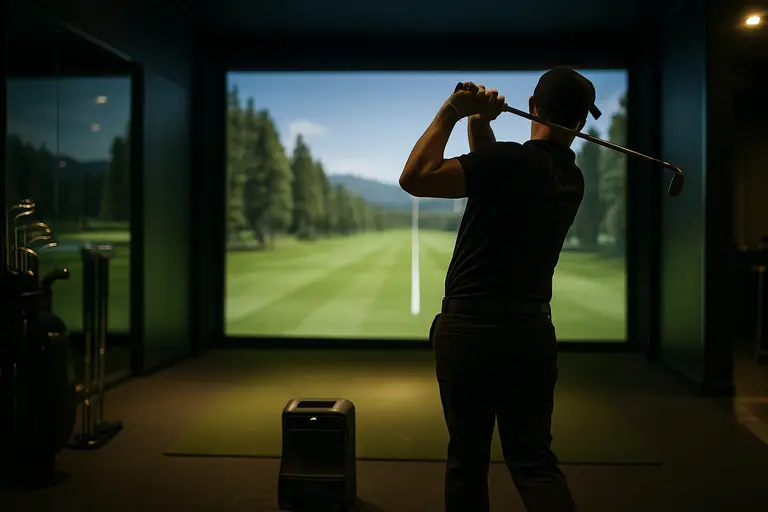
The Foresight GC2 Launch Monitor fits best as a ball-data tool for golfers who want credible launch feedback but do not need club-head measurement in every session. That makes it more attractive for practice, gapping, simulator use, and early equipment comparisons than for a full diagnostic fitting where face angle, path, strike location, and attack angle are central.
That distinction should shape expectations. A player with a slice can use GC2 data to see launch direction, spin axis, sidespin, and offline result. The data can confirm that the ball is starting and curving in a harmful pattern. It cannot, by itself, state whether the main cause is face, path, heel strike, setup, or release pattern. A good coach or fitter can still make strong use of the ball data, but the unit is not doing all of that work alone.
GC2 Versus Higher Foresight Models
The research notes place the GC2 below GC3, GCQuad, and QuadMAX in Foresight’s product line. The practical separation is club data. Higher Foresight models are aimed at players, fitters, and facilities that need deeper delivery information. The GC2 is the simpler read: ball launch, ball flight, portability, and a lower entry point within that brand family.
That does not make one category right for every golfer. A new player trying to learn stock carry distances may get more useful practice from clean ball metrics than from a screen full of club-delivery numbers. A fitter working through shaft profiles, lie tendencies, and face-to-path patterns needs more information. The right tool depends on the job.
Foresight GC2 Launch Monitor Fit Verdict
The Foresight GC2 Launch Monitor looks like a serious option for golfers who want Foresight camera-based ball data in a smaller, more accessible package. The strongest fit is the player who values carry gapping, simulator practice, launch and spin checks, and portable indoor-outdoor use. The weaker fit is the player expecting full club-delivery diagnosis from one device.
I would not present it as a guaranteed route to lower scores or more distance. No launch monitor earns that claim by itself. The value comes from better questions, cleaner testing, and repeated sessions that show patterns instead of guesses. If you use the GC2 to confirm carry windows, tighten dispersion, and make equipment comparisons with discipline, it can become a useful fitting and practice tool. If you only chase the longest number on the screen, you will leave most of its value unused.