
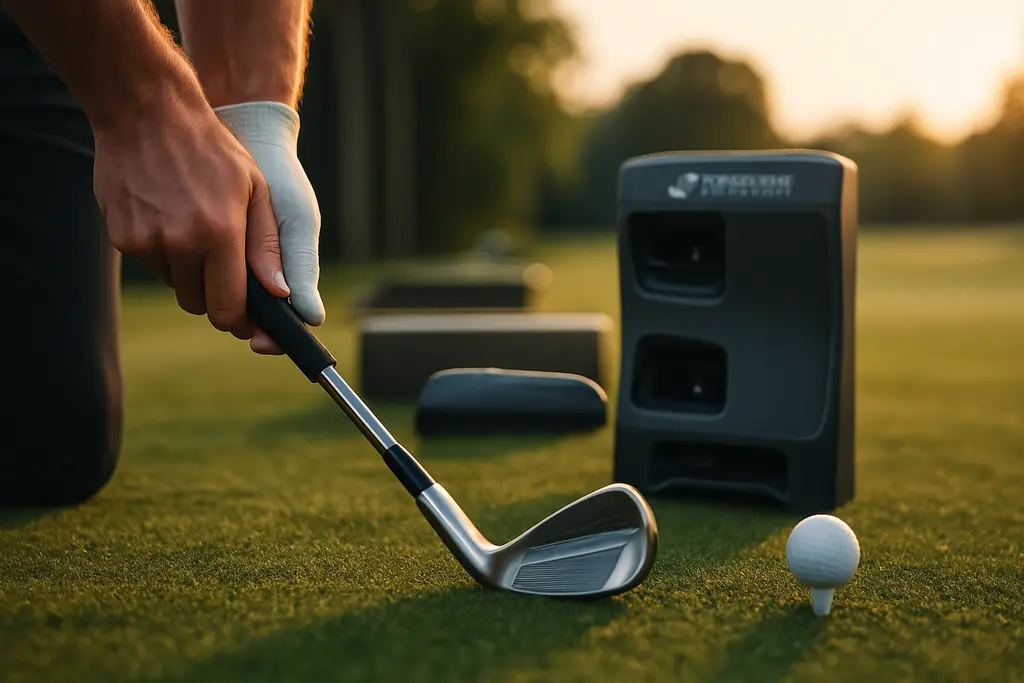
Foresight GC2 pricing became a serious budget-launch-monitor talking point after the 2026 model entered the market with a listed U.S. MSRP of $1,699. For golfers who have watched Foresight sit mostly in premium fitting bays and simulator rooms, that number changes the conversation. It does not make every other launch monitor irrelevant, and it does not replace a full club-data fitting system, but it gives camera-based ball measurement a lower entry point than many golfers expected.
As of October 21, 2026, the launch window had already passed. The research notes show pre-order shipping began between October 9 and October 15, 2026, with full retail availability noted around October 12 to October 15, 2026. That matters because this is no longer a pure preview item. Golfers comparing cost now need to look past the headline hardware price and ask what the unit measures, what software access costs after the trial, and whether ball-only data is enough for their fitting or practice needs.
What Foresight GC2 Pricing Includes
Foresight GC2 Pricing And The Box Contents
The 2026 GC2 is listed at a U.S. MSRP of $1,699, and Foresight lists the unit with a 123-square-inch hitting zone, a 4.5 lb weight, and dimensions of 11.9 inches high by 5.45 inches wide by 4.6 inches deep on its Foresight product page. The box contents listed in the research are the GC2 unit, power adapter and cable, alignment stick, a 30-day free trial of Foresight+ Gold Membership with Course Pass Pro, and a 1-year warranty.
That is the central Foresight GC2 pricing story: the hardware price is not the full ownership picture, but the entry fee is now low enough that serious practice golfers, coaches, and home-simulator shoppers will compare it against units that previously sat in a different price lane. In the UK and EU, the listed figures from Foresight Sports Europe are £1,695 and approximately €2,070, according to the official European GC2 listing.
Why The Stated Price Needs Context
A lower camera-based entry price does not remove the need for a fitting-first decision. A golfer buying for wedge carry mapping has different needs than a coach diagnosing delivery. A player building an indoor simulator has different needs again. The GC2 price looks clean on the product page, but a fair comparison has to include software access, data type, space, portability, and what happens after the trial period ends.
The first Foresight GC2 pricing check is simple: decide whether you are buying a measurement tool, a simulator hub, or a fitting aid. Those are related uses, but they are not identical. If you mainly want carry distance, launch, spin, descent angle, and ball-flight feedback, the GC2’s ball-data package may fit the job. If you need club path, attack angle, or face-to-path style diagnostics, the research notes show this model does not provide club head metrics.
Data Tradeoffs Behind The Lower Buy-In
Ball Data Only Is The Key Fit Question
The 2026 GC2 tracks ball data only through dual high-speed cameras. The research lists 14 ball and flight metrics, including launch, spin, carry, and descent angle, measured directly. That is useful information in a fitting bay because ball flight tells the truth about launch conditions. Carry gapping, spin consistency, and descent angle can guide driver loft, fairway-wood fit, hybrid selection, iron set makeup, and wedge yardage work.
Still, ball-only data has limits. If two shots launch similarly but are produced by very different delivery patterns, a club-data unit gives the fitter more to work with. Without club head metrics, the golfer and fitter may need to lean harder on video, strike spray, face tape, lie-board style checks, impact location, and ball-flight pattern. That can still be productive, but it asks for sound process rather than blind trust in one number.
Where A Ball-Data Unit Can Still Help
For practice, the GC2 profile makes sense for players who want to learn their actual carry distances and shot windows. A golfer can map wedges, test whether a new ball changes spin, or compare driver launch and spin across settings. None of that guarantees lower scores or longer drives, but it can replace guesswork with measured feedback.
For more on how this kind of unit fits into a bay, our Foresight GC2 launch monitor fitting view covers the practical side of setup, portability, and beginner use. The same caution applies here: a launch monitor is only as useful as the questions you ask of it.
Subscription Math And Ownership Clarity
The Trial Is Not The Same As Long-Term Access
The included 30-day free trial of Foresight+ Gold Membership with Course Pass Pro is valuable for evaluation, but golfers should not treat trial access as a permanent feature. The research notes state that after the free trial, paid membership tiers are required for simulation and added features. Silver membership is described as supporting basic practice and drills, while Gold membership is listed at $599 per year for advanced features and third-party software integration.
This is where Foresight GC2 pricing has to be read as year-one cost and multi-year cost. Hardware-only shoppers may focus on $1,699, but simulator users should write down the likely subscription path before buying. If Gold access is required for the way you plan to use the unit, the annual fee belongs in the same spreadsheet as the hitting mat, net, screen, projector, computer, balls, and floor space.
Transparency Questions To Ask Before Paying
A good buyer checklist is short but direct. Ask which features work without a paid tier, which features require Silver, which require Gold, and whether third-party software integration is essential for your setup. Ask what happens to saved practice data if a membership lapses. Ask whether your indoor space suits a camera-based unit beside the ball. If you are comparing service providers or gear resources across the same network, Efficient Directory can be a useful companion while you separate product research from sales language.
From a club-fitting standpoint, subscription clarity matters because fitting is not a one-day event for many golfers. Gapping changes as speed changes. Wedge spin changes with wear. Driver settings may need a revisit after a swing change. If the features you need sit behind a paid tier, the cost should be visible before the box arrives.
Comparison Points Before A Fitting Purchase
GC2 Versus Higher-Priced Foresight Options
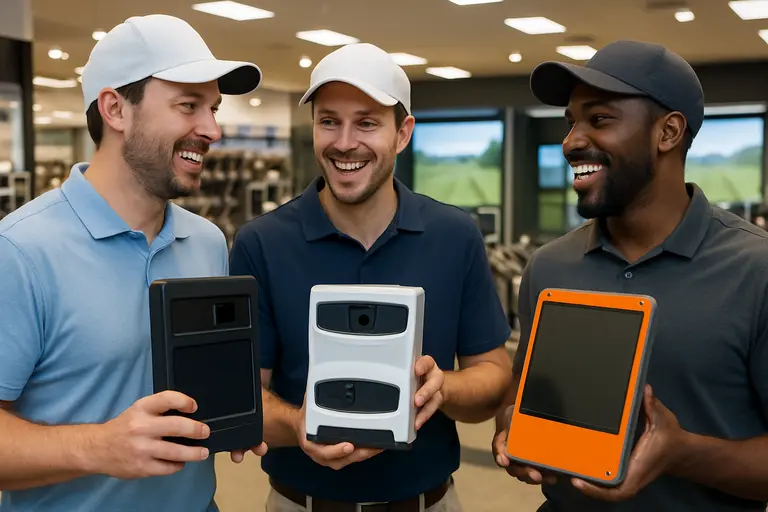
The research notes compare the new GC2 with Foresight’s GC3, listing the GC3 regular retail price at $6,999 and noting that GC3 includes club data metrics such as club speed, smash factor, attack angle, and club path. That difference explains much of the price gap. The GC2 is not simply a cheaper GC3 with every fitting diagnostic intact; it is a different value proposition built around measured ball data.
That is not a criticism. Plenty of golfers do not need club delivery data for every practice session. But a fitter working on driver optimization, shaft testing, or delivery pattern changes may prefer access to club metrics. A player buying for home practice may decide ball data is enough. The right answer depends on use case, not brand loyalty.
GC2 Versus Other Budget-Tier Monitors
The research also lists FlightScope Mevo Gen2 at $1,299, with combined radar and image-based tracking and both ball and club data. That comparison puts pressure on the GC2 value case. Foresight’s pitch rests on camera-based measured ball data and the brand’s fitting-bay reputation, while some alternatives may offer broader data categories for less money.
This is why Foresight GC2 pricing should never be judged by MSRP alone. A golfer should compare measured data, calculated data, indoor reliability, hitting-area requirements, software cost, supported simulator options, and the kind of questions the unit can answer. A $400 lower hardware price elsewhere may not matter if the readings do not fit your space or your practice goals. A higher price may not be justified if you never use the added data.
- For gapping: prioritize carry distance, spin, launch, and descent angle consistency.
- For swing diagnosis: decide whether club head metrics are required.
- For simulation: price the software path after any free trial ends.
- For fittings: ask whether the fitter will pair ball data with strike, video, and build checks.
Foresight GC2 Pricing For Real Buyers
Who Gets The Best Value From This Entry
Foresight GC2 pricing makes the most sense for golfers who value measured ball data, want a portable indoor-friendly unit, and can live without built-in club head metrics. It also suits players who care more about practice feedback than full swing diagnosis. Wedge work, carry mapping, ball testing, driver launch windows, and basic simulator use are all reasonable fits if the software cost aligns with the buyer’s plan.
It is a weaker fit for golfers who expect a launch monitor to explain every cause behind every shot. Ball data tells you what happened to the ball. Club data helps explain more of how it happened. A skilled fitter can bridge some of that gap with observation and strike feedback, but the hardware distinction is real.
A Practical Buying Read
The new GC2’s market entry is best viewed as a pricing reset for Foresight, not a universal replacement for higher-end systems. The $1,699 U.S. MSRP brings the brand into more budget conversations, while the UK and EU pricing gives international buyers a clear starting point. The trial membership adds short-term value, but longer-term simulation users need to account for paid tiers, including the Gold figure listed in the research notes.
For a golfer building a smarter practice setup, the GC2 can be a credible option if the data package matches the job. For a fitter, it can support ball-flight evaluation but does not remove the need for process, player interview, strike checks, and sound build decisions. Price opens the door; fit determines whether walking through it makes sense.