

Getting a new bike, custom athletic shoes, or dentures is thrilling. Naturally, you hope they feel perfect right away. However, the initial appointment is just the beginning of your post-fitting journey.
Imagine wearing stiff hiking boots for the first time. Your body needs time to get used to new gear. This adjustment period is completely normal. Therefore, a bit of awkwardness doesn’t mean the fit is bad.
True comfort and top performance come from what happens next. A pro fitting sets you up well, but your body naturally changes. Muscles grow, swing habits evolve, and materials settle.
That is exactly why you need to follow up and plan post-fitting check-ins. Knowing when to re-check your fit is incredibly important. After all, a perfect fit is dynamic, not a one-time event.
Discomfort or a change in your activities are clear signs to get help. This ongoing care makes a good fit great, ensuring long-term comfort and peak performance.
Before we dive into the best ways to get used to your new gear, you might also want to understand the investment behind your equipment. Take a look at our full breakdown on transparent pricing: heads, shafts, grips, and what affects cost.
Post-Fitting: New-Club Break-In Tips
Introducing new golf clubs is a lot like breaking in a new baseball glove. It takes time for your body and swing to properly adjust. Consequently, you shouldn’t expect to hit every shot perfectly right away.
It is vital to have a dedicated break-in period for your new clubs. This allows your muscle memory to adapt to the recent changes. Your clubs are now completely different in length, lie, weight, and grip size.
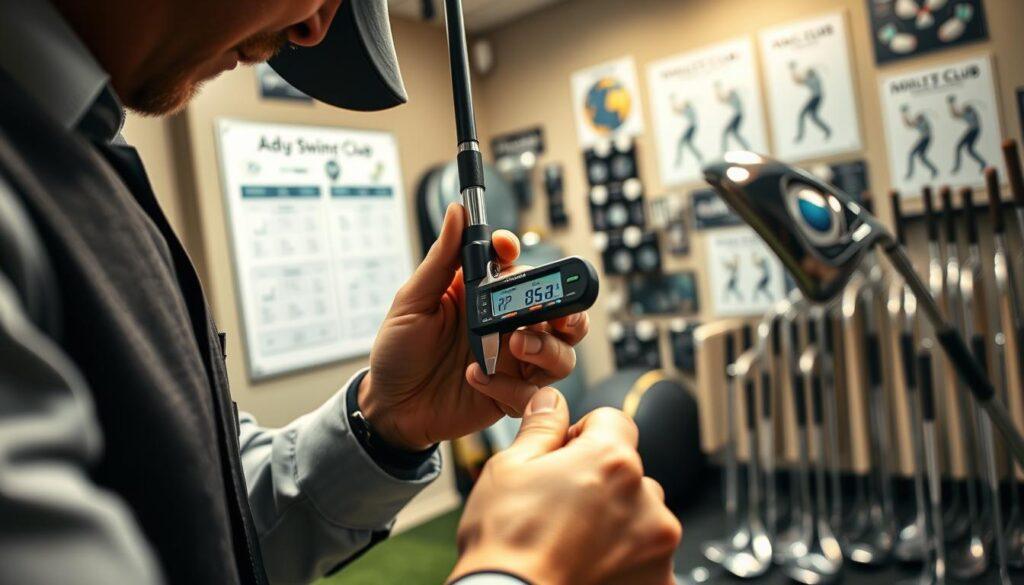
The first two weeks are key. You might feel awkward or hit the ball inconsistently at first. Do not worry; this is normal. It is simply your body learning a new feel.
To get through this post-fitting phase smoothly, follow a structured plan:
-
Start Short and Focused: Begin with short, focused practice sessions. Hit half and three-quarter shots to build confidence and feel.
-
Prioritize Technique Over Power: Focus strictly on solid contact and repeating your new swing. Distance will naturally come as you adapt.
-
Gradually Increase Intensity: Only after feeling comfortable, move to full swings and different clubs. Slowly introduce playing actual holes on the course.
Most importantly, resist the urge to make your own adjustments during this sensitive time. Changing one element, like grip pressure, can drastically alter your posture and swing path. Self-directed tweaks can undo the precision of your initial fitting and prolong the adaptation process.
Patience is key. Trust the process and the fitting data. If challenges last beyond a reasonable break-in period, it is time for a post-fitting follow-up. A qualified technician can easily assess your adaptation and make precise tweaks. Learn more about our commitment to your data and journey in our [privacy practices].
When to Book a 45-Day Post-Fitting Check
Don’t wait for sudden pain or a drop in performance to tell you something is off. Instead, it is much smarter to schedule a follow-up appointment around the 45-day mark. This proactive step shows you are taking excellent care of your gear.
Think about getting dentures. Medical experts always expect to see patients for follow-ups. They make small tweaks to avoid sore spots. Your golf club experience is remarkably similar.
Other sports also support this idea. Cyclists often get a bike fit at the start and again halfway through their season. This helps them adjust for body changes and flexibility. A persistent knee soreness is always a good reason for a check-up.
Your 45-Day Check exists for the exact same reason. After the initial break-in, your body and clubs have finally settled. Therefore, this is the absolute best time for a spec check.
At this post-fitting appointment, a fitter will carefully check how your body and clubs work together. They specifically look for small signs that need fixing:
-
Pressure Points: Finding any new or ongoing discomfort in your hands, elbows, or shoulders.
-
Static & Dynamic Alignment: Making sure your stance and swing path are perfectly right for your setup.
-
Minor Soreness: Fixing that “nagging” feeling before it turns into a serious injury.
Booking this appointment early makes it a must-do part of your journey. It successfully turns the check from a fix-it-later approach into a smart preventive measure. A quick spec check can fix a small issue now, ultimately avoiding big problems or injuries later.
Post-Fitting Re-Fit Triggers (Speed Change, Injury, Turf)
Life events can frequently tell you it is time for a re-fit of your gear. Your first fitting was based on your body and specific goals at that time. However, big changes in these areas mean your gear might not support you as well as it used to.
Ignoring these signs can easily cause discomfort, make you less efficient, or even lead to injury. Knowing exactly what to look for helps you act quickly.

A speed change is a big trigger. This could be a big jump in your performance level or the type of activity you do. For example, going from casual play to intense training increases the physical demands on your body.
Your old gear might not handle the new demands. A re-fit makes sure your equipment matches your new goals. In fact, as the experts at the PGA of America explain, getting properly fitted for your clubs is the only reliable way to ensure your equipment keeps up with your evolving swing dynamics and prevents bad habits from forming.
An injury or surgery is another clear trigger. Any physical trauma changes how you move, stand, or hold your body. Even after you heal, your body is different.
Using old gear can slow down your recovery. It might even cause new problems. A professional adjustment helps your body adjust to its new state.
A change in your main environment, like from grass to artificial turf, is also a trigger. For everyday items, it could mean a new job with different physical demands.
New surfaces and conditions stress your body in new ways. Your equipment needs to be adjusted for these changes.
Other universal triggers include natural changes in your body over time. Weight loss or gain changes how your body fits in your gear.
Changes in flexibility or muscle tightness also matter. These slow changes are easy to overlook until you start to feel discomfort.
Persistent pain or trouble performing is a critical signal. If a simple tweak doesn’t fix ongoing soreness or issues, you need a deeper look.
This discomfort is your body’s way of saying the fit is off. Listening to it helps avoid long-term damage.
Recognizing these triggers means it’s time to see a professional. Don’t wait for your next scheduled check. A thorough re-fit gets to the root of the problem, not just the symptoms.
It’s an investment in your comfort, safety, and success in your activity.
Warranty & Repair Turnaround
Your new equipment’s warranty is like a safety net. It covers manufacturing defects for a certain time. But, normal wear and tear from daily use is not included. Things like scratches or faded paint are your responsibility.
For covered issues, you can expect a repair turnaround. Authorized service centers need time. A simple adjustment might take a few days. But, replacing a major component could take weeks.
Plan for this downtime so you’re not left without your gear. Avoid making adjustments at home. DIY fixes often cause more damage. Using the wrong tools can warp materials.
Self-repairs will almost always void your warranty. This can lead to costly full replacements. Always use your fitter’s authorized service channels. This is key for your long-term follow-up fitting plan.
A professional has the specific tools for precise corrections. Think of repair as a trigger for a professional re-fit assessment. A trusted relationship with your fitter is the best warranty for lasting performance.