

For many, the colder months mean putting away the gear until spring. But what if this quiet time is actually your biggest advantage?
Top coaches call this period a “base season.” It’s not about resting. It’s about building lasting fitness that benefits later. This smart approach works well for your equipment too.
With no rush to a race or opening day, you can focus on fine-tuning. You can make small, careful changes to your gear. And test those changes in a calm setting.
This careful process helps your body learn the right moves. When your main season comes, you won’t be scrambling. You’ll be ready, confident, and ahead of the game.
Benefits of Early Build & Practice Time
The best thing about a winter club fitting is more than just the data. It’s the chance to make those changes stick before you really need them. A fitting gives you a clear plan. Starting practice right away helps you build on that plan.
Practicing regularly in a indoor bay is key. It makes new settings feel like second nature. This builds strong muscle memory.
Think of it like an archer training in the off-season. They don’t stop for months and then expect to hit the bullseye. Golf is similar. You need to keep practicing and refining your form.
An indoor bay is perfect for this. It’s a safe place to practice, no matter the weather. You get instant feedback on your swings. This helps you avoid the rush to get back in shape in the spring.
The main benefits of starting early are clear:
- Preserves Strength & Flexibility: Keeps your golf muscles strong, preventing a decline from a long break.
- Locks In New Form: Makes technical changes automatic before you play for real.
- Builds Confidence Under Pressure: Teaches you to perform well when it counts.
Starting early means you won’t waste time in the season getting back into shape. You’ll be ready to go on the first tee. Your winter fitting is an investment that pays off all year.
Indoor Ball vs. Real‑Ball Setups
The off-season is a great time to set up two bow setups. One for the indoor range and another for the outdoors. This approach is key to smart offseason training. It helps you create a tool for learning and a weapon for performance.
Your indoor setup is like a lab. It’s where you focus on feedback and consistency. Without weather issues, you can perfect your form and equipment.
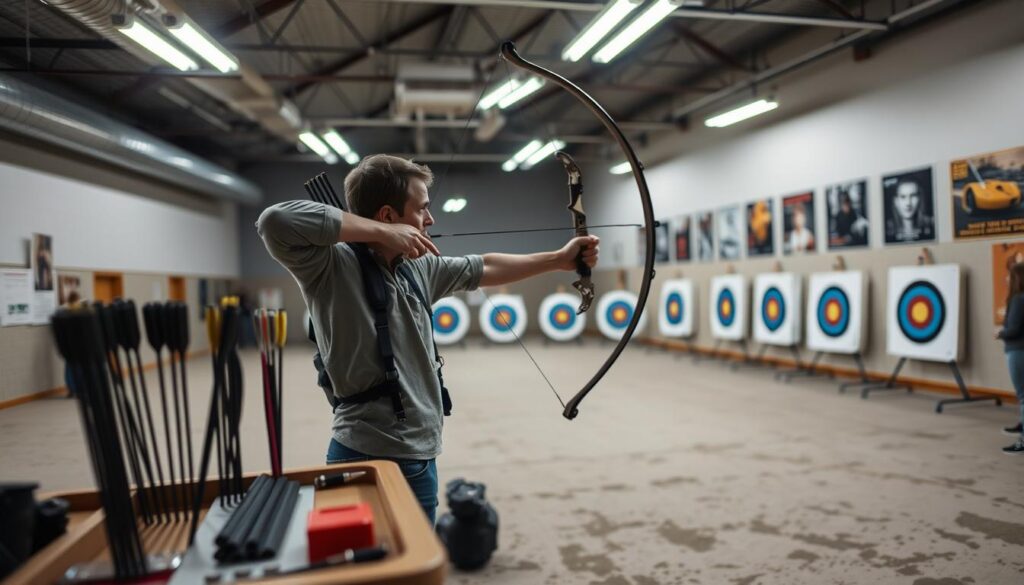
Now is the time to try out new components. Things like NITRO Stabilizers for stability and NITRO Vanes for arrow flight. These can be fine-tuned in a stable environment.
Your outdoor setup is for hunting or 3D courses. It must handle different distances and weather. Winter is when you make these setups different.
Here are some key differences:
- Weight & Balance: Indoor setups might be heavier for better aiming. Outdoor bows are quicker and more agile.
- Sight Configuration: Indoor sights have finer pins for precision. Outdoor sights have rugged pins for various ranges.
- Arrow Choice: Indoor arrows are lightweight for high scores. Outdoor arrows are durable for penetration.
Winter’s stable climate lets you make these changes carefully. You can see the effect of each change right away. No need to worry about wind affecting your shot.
Experimenting with gear builds confidence. When spring comes, you’ll switch to your real-ball setup. Your offseason training will pay off with reliable performance.
Winter fitting isn’t about finding one setup. It’s about optimizing two tools. You’ll have a practice bow and a performance bow.
Cold‑Weather Swing Adjustments
Wearing lots of winter clothes changes how you stand and move. A club fitting for a light shirt won’t work with a thick jacket. It affects your shoulder turn and spine angle.
A winter fitting is key to improving your game. It helps you adjust to the cold weather’s unique challenges.
It’s like an athlete getting ready for different conditions. Cyclists change their bike for winter, and archers adjust for indoor shooting. Your golf swing needs the same care.
A pro fitter will check and adjust several important things during a winter session:
- Club Length & Lie Angle: Heavy clothes might make you stand further or lean more. You might need a longer club or a more upright lie.
- Shaft Flexibility: Cold muscles are stiffer and slower. A slightly more flexible shaft helps keep your feel and loading.
- Grip Size: Gloves make your hands thicker. A fitter can adjust your grip size for better control and pressure.
Practicing with these adjustments does more than just help you get through winter. It builds adaptable strength and technique. You learn to power your swing efficiently, even with physical limits.
When spring comes and you take off your layers, you’ll feel a big difference. Your swing, honed in the cold, will feel quicker, freer, and more consistent. This is what a winter fitting aims for: lasting performance, not just for perfect weather.
Lead‑Time Discounts & Promos
Lead-time discounts make a winter fitting a smart investment. They offer immediate savings. Smart golfers take advantage of these deals during the off-season.
Fitting studios and club makers offer special deals from November to February. Their indoor bay schedules are empty, creating a buyer’s market. You can find discounts of 10-20% on fitting sessions or packages that include lessons.
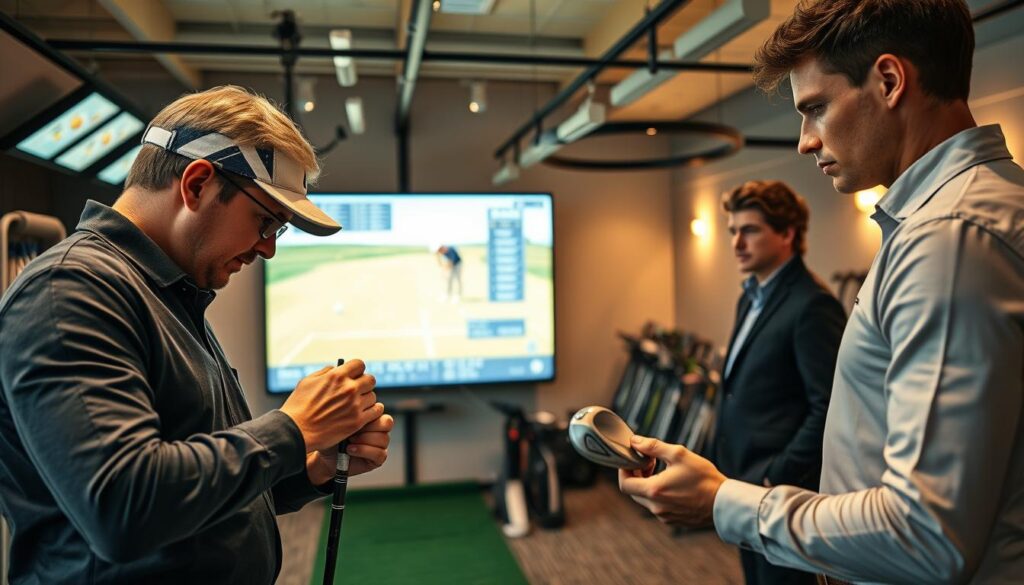
It’s not just about saving money. The slow pace means your fitter has more time for you. You get detailed analysis and answers in the indoor bay. This can lead to a more precise club fit, saving you money in the long run.
Many places offer “early bird” packages. These include your fitting and practice sessions in simulators. It’s a great way to test your new clubs and make adjustments before the season starts.
Here are some benefits:
- Reduced Session Fees: Save money on the fitting service itself.
- Package Deals: Get bundled offers with practice or future lessons.
- Prime Scheduling: Choose your dates and times, often with less notice.
- Unhurried Expertise: Enjoy a more thorough and patient experience with the fitter.
Booking a winter slot in an indoor bay is smart. It’s not just about better equipment. It’s about a better process at a better price. The pre-season rush means crowded calendars and high prices. By booking now, you save money and get convenience.
Think of it as a financial move. The savings can go toward new clubs, practice, or lessons. It turns the off-season into a time for smart golf management. Start by checking local fitting studios’ websites or call them. Ask about their winter or lead-time promotions for indoor bay fittings.
Off‑Season Practice Plan Post‑Fit
The offseason training plan starts right after you leave the fitting bay. It turns data into lasting skills. Your new clubs are a great starting point.
A good practice plan is key. It helps you remember new skills. Without it, your best plans might not happen.
This plan helps you build confidence slowly. You start with simple drills and move to harder ones. Your goal is to trust your clubs and swing by the season.
Phase 1: Familiarization & Foundation
Start by practicing in an indoor bay or simulator for two to three weeks. Focus on how your new clubs feel. Try to notice feedback, not perfect results.
Listen to the sound, feel the impact, and watch the ball flight. This phase is about setting a new baseline. Being consistent is more important than how long you practice.
Phase 2: Skill Integration & Dynamics
Next, add movement and specific drills. Stop hitting balls from a perfect lie. Practice drills that feel like real golf.
Try partial swings, uneven stances, and different shots. This phase is about learning to adapt with your new clubs.
Phase 3: Simulated Competition
This phase is all about mental strength. Join a winter golf league or play weekly with friends. Playing for something changes everything.
It helps you trust your clubs when it matters. The pressure of playing shows what you’ve really learned. This gets you ready for the real season.
| Phase | Recommended Duration | Primary Focus | Key Drills & Activities |
|---|---|---|---|
| Familiarization | Weeks 1-3 | Feel & Feedback | Impact tape review, slow-motion swings, consistent tempo work |
| Skill Integration | Weeks 4-7 | Adaptability & Control | 80-yard wedge series, low-face contact drills, draw/fade shaping |
| Simulated Competition | Weeks 8-12+ | Mental Fortitude & Trust | Weekly league play, 9-hole simulator rounds, pressure putting games |
Follow this plan with discipline. The winter fitting will pay off. Each phase builds on the last, making changes last.
By spring, you won’t doubt your equipment. You’ll be certain. A good offseason plan is the key to a great season.
How to Book a Winter Block
Starting your off-season practice plan is key. Booking your winter fitting session is the first step. It’s easy and straightforward.
Go to our online booking portal or call our scheduling line. Let us know you want a winter fitting session. Say you prefer an indoor bay for better conditions. Offseason training spots are limited and go fast.
Book now to get your preferred time and maybe discounts. A good winter fitting helps you prepare better. Check out this training cycle used by athletes.
Secure your winter block today. Start building your strongest season yet.